Being Seen is Important. Being Remembered is Better.
Marketers have more ways than ever to put a brand in front of an audience. But an impression is only a moment of exposure.
The more important question is: What does someone think, feel or remember after that moment has passed?
Charlie Skinner, Head of Brand Strategy at Conran Design Group, recently explored this idea in Creativepool, arguing that the strongest brands are built not simply through visibility, but through the experiences, rituals, relationships and cultural moments people associate with them.
That shifts the marketing objective from simply generating impressions to creating meaningful associations.
Brands Live in Memory
People rarely experience a brand as just a logo.
They remember colors, packaging, environments, phrases, experiences and even how a brand made them feel.
Ipsos research supports the importance of these recurring brand cues. Distinctive assets such as colors, logos, characters and other sensory signals can help brands capture attention and build memory structures that make them easier to recognize and recall.
Every interaction, then, becomes an opportunity to reinforce what a brand stands for.
And physical touchpoints can play an especially important role.

When Brands Become Tangible
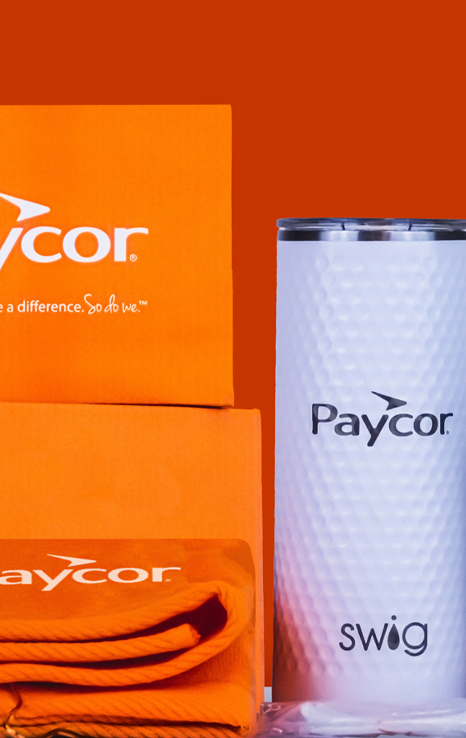
Physical communications can be held, opened, touched, worn, displayed and explored.
-
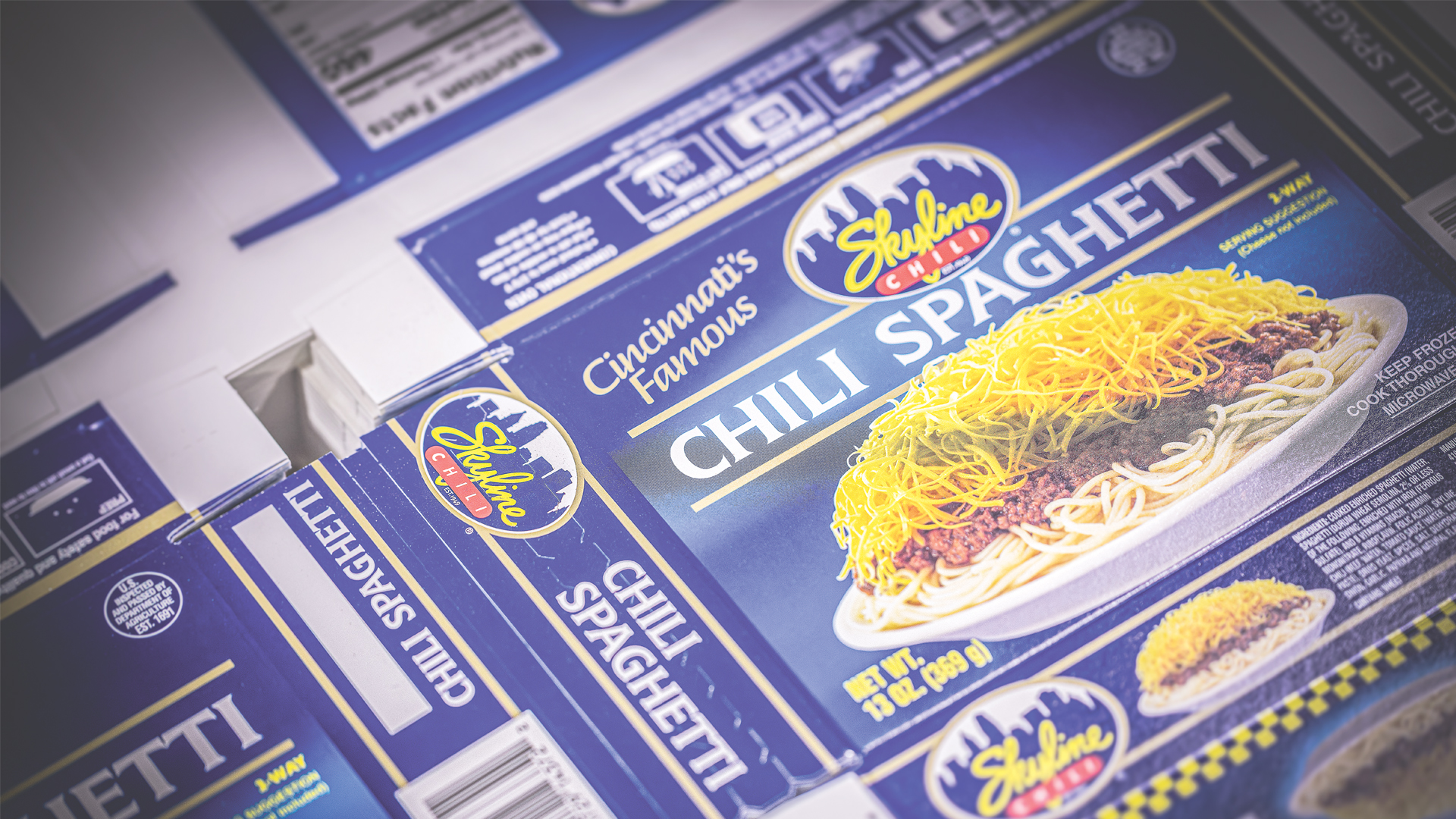
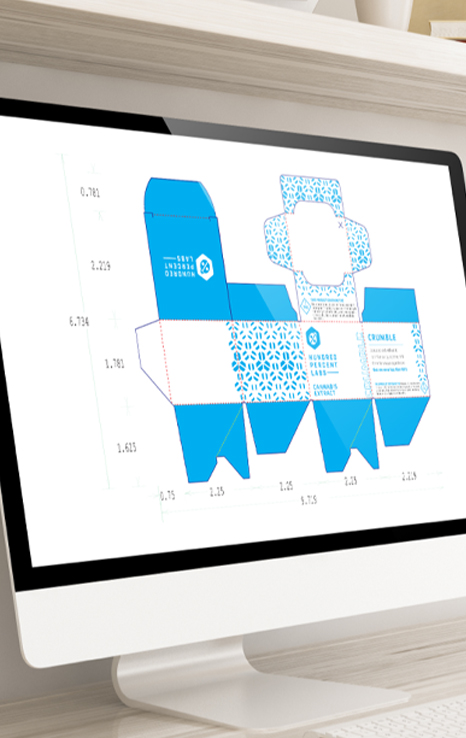
- A package or label can communicate quality before the product is used.
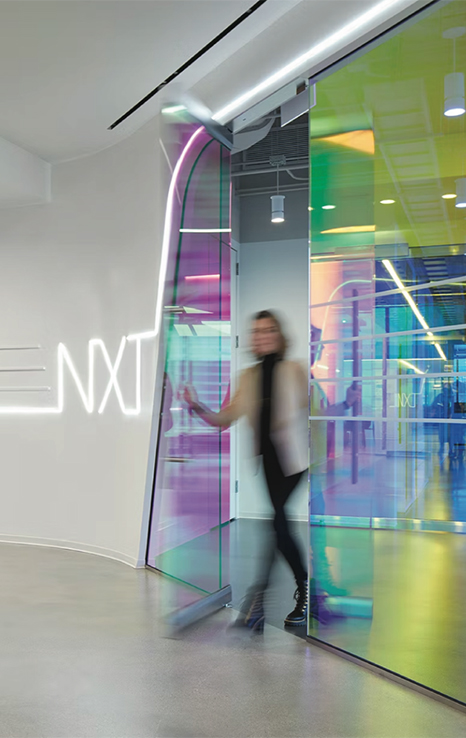
- Environmental graphics can turn a brand promise into a space people physically experience.
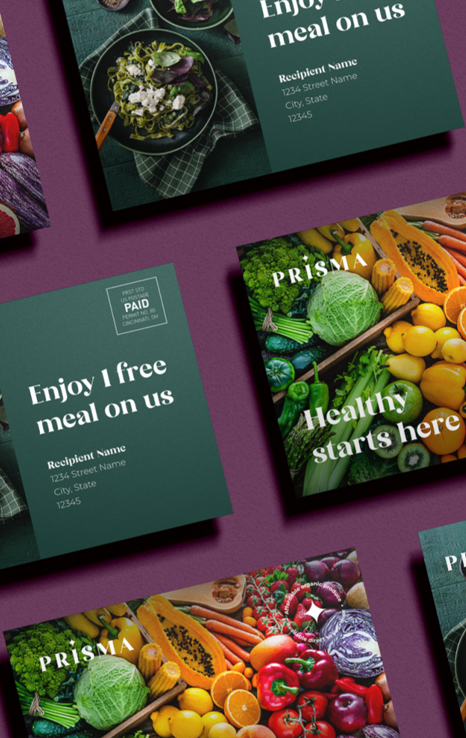
- A dimensional direct mail piece can create a moment of discovery.
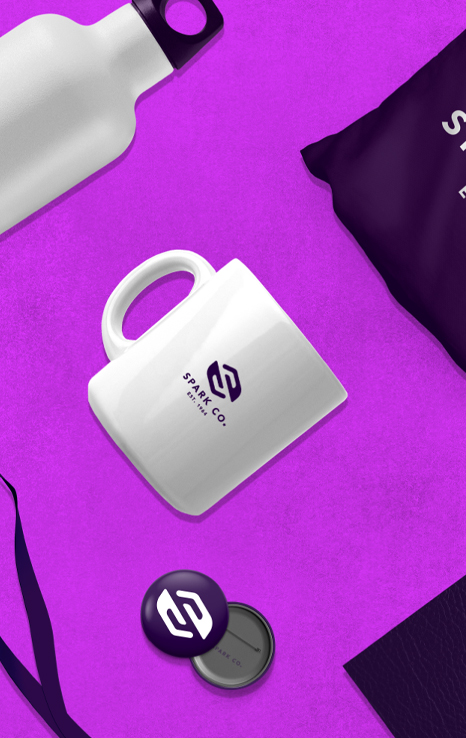
- A thoughtfully selected promotional item can become part of someone’s daily routine.
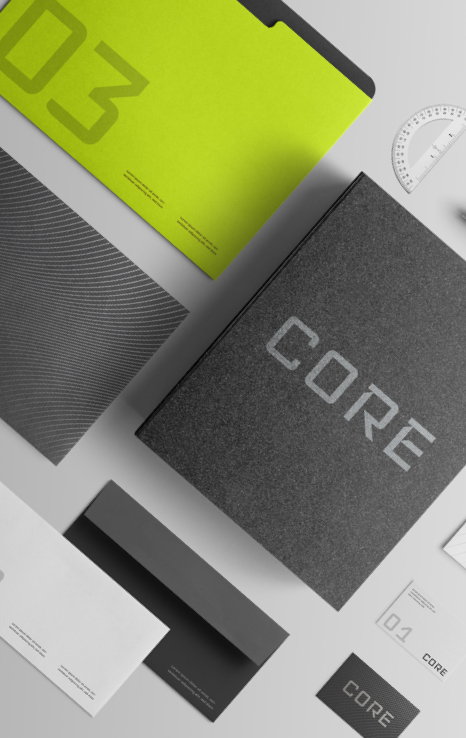
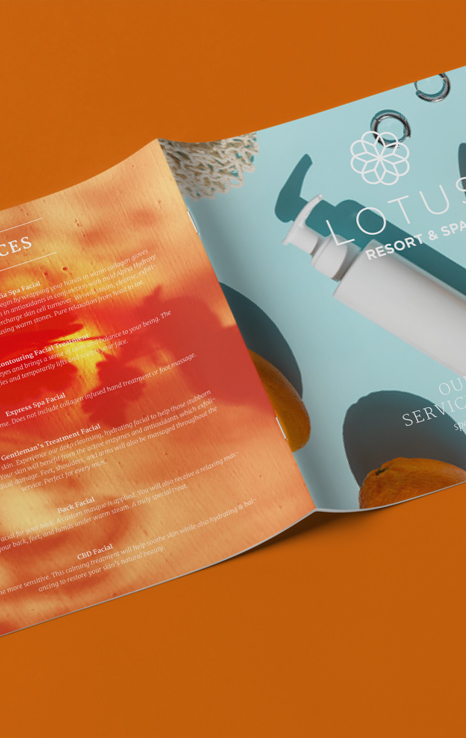
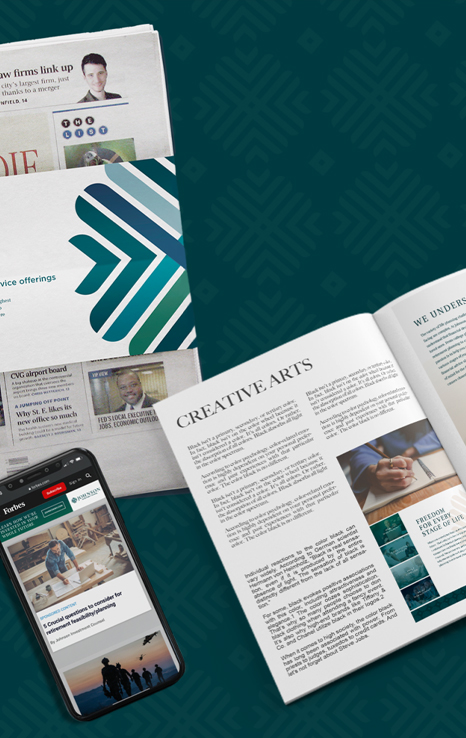
- Premium print techniques such as specialty substrates, foils, coatings and dimensional embellishments can reinforce ideas like craftsmanship, innovation or exclusivity.
In each case, the medium does more than carry a message.
The execution becomes part of the brand experience.
Recent research from The Harris Poll and Quad also points to growing consumer interest in tangible, real-world interactions with brands. Importantly, that doesn’t mean physical should replace digital. The greater opportunity is to connect the two in ways that feel consistent and seamless.
A direct mail piece can lead to a personalized digital experience. Packaging can connect consumers to online content. Environmental graphics can encourage digital engagement. Physical and digital touchpoints can reinforce one another throughout the customer journey.

Consistency Creates Association
One memorable piece alone doesn’t build a brand.
Associations grow through repetition and consistency.
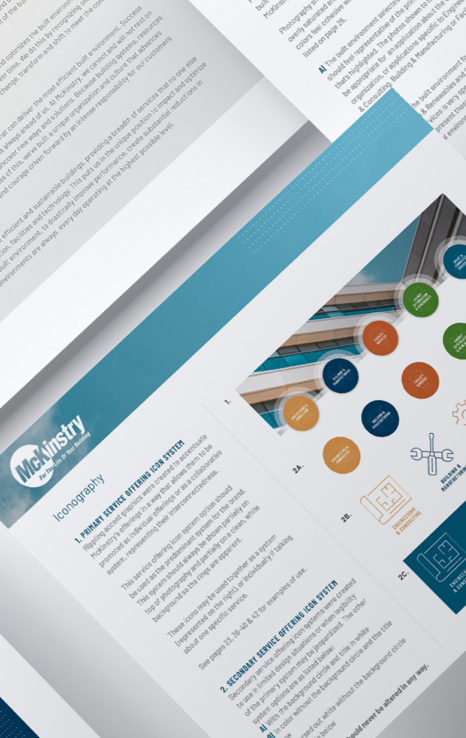
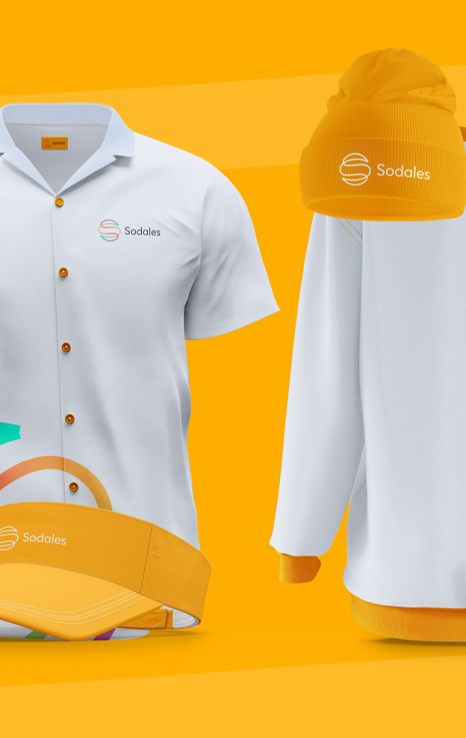
Colors, typography, imagery, materials, messaging and tone should reinforce the same brand personality across packaging, print, direct mail, signage, merchandise and digital channels.
Over time, those recurring cues become familiar.
Eventually, a color, shape, texture or visual style can begin to trigger recognition even before the brand name appears.
That’s when individual marketing pieces begin functioning as part of a larger brand system.
Design the Association, Not Just the Deliverable
Before beginning the next package, brochure, mailing, environmental graphic or promotional program, marketers might consider asking one additional question:
What should someone think, feel or remember about our brand after interacting with this?
If the desired association is premium, materials and execution should reinforce it.
If it is innovative, the experience should offer something unexpected.
If it is dependable, consistency and precision matter.
If it is approachable, the design, language and materials should support that personality.
The deliverable is the vehicle.
The association is the objective.
Reach, impressions, clicks and conversions will always matter. But strong brands are also shaped by the cumulative effect of experiences that make them easier to recognize, remember and understand.
So perhaps the question isn’t simply:
How many people will see this?
It’s also: What will they remember about us after they do?
Sources
-
- Charlie Skinner, “Why the Strongest Brands Are Built on Association,” Creativepool, August 2026.
- Ipsos, “Why Distinctive Brand Assets Are a Driving Force.”
- The Harris Poll and Quad, The Return of Touch