Touch is one of the most powerful—and often overlooked — drivers of consumer behavior.
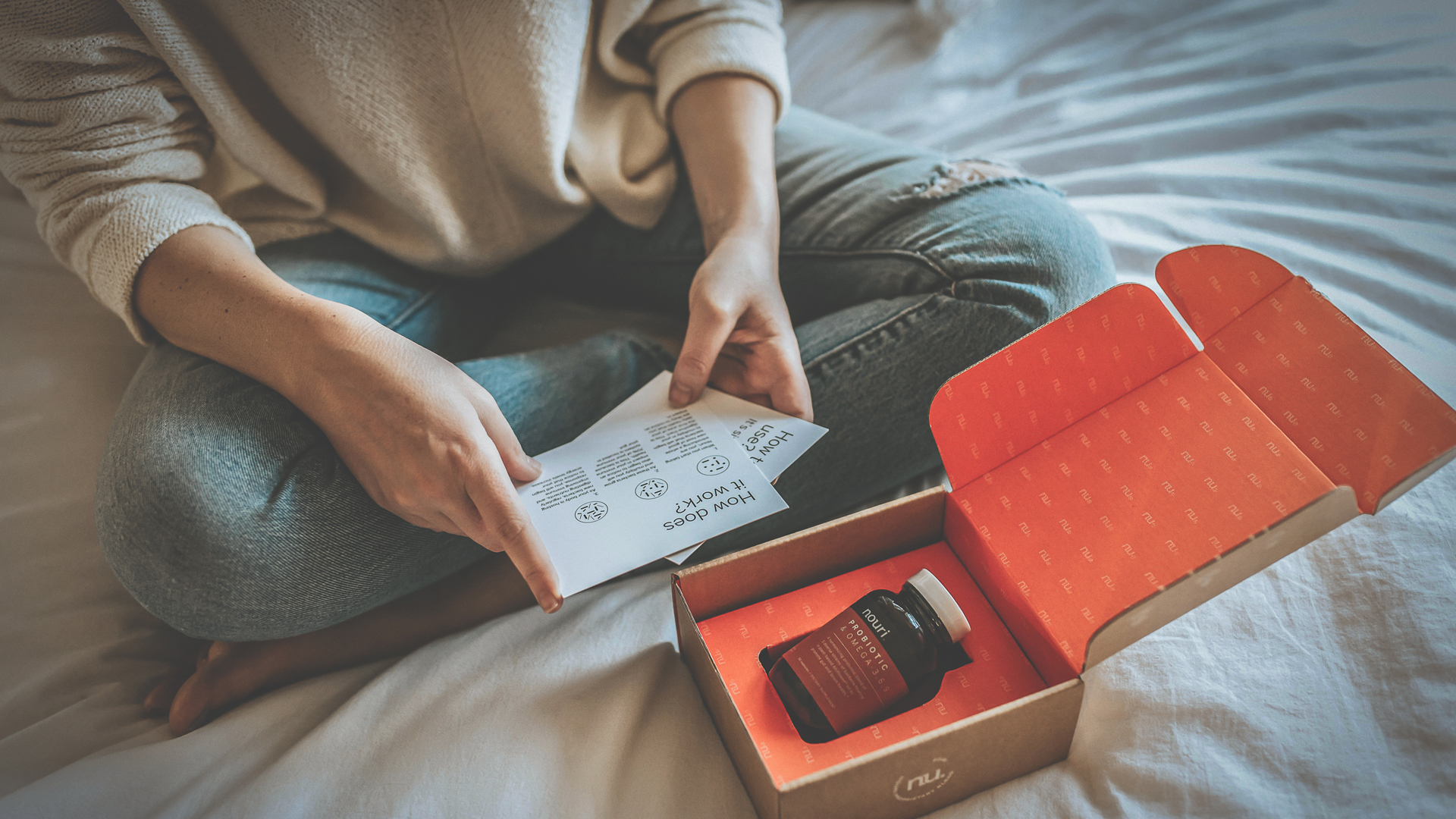
When someone physically interacts with an object, it creates a sense of psychological ownership, increasing perceived value and influencing decision-making.
In practical terms:
-
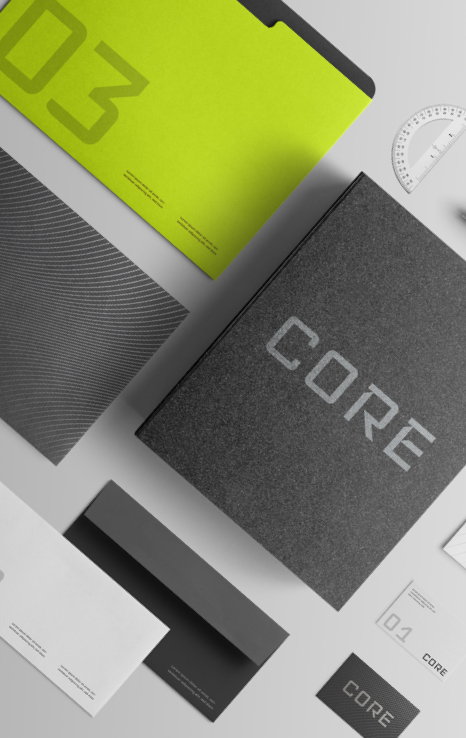
- A textured business card can elevate brand perception
- A heavier package can signal higher quality
- A soft-touch coating can create a sense of luxury
Even subtle tactile cues can shape how a brand is experienced — often without the customer realizing why.
Materials as Brand Signals
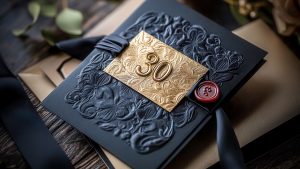
Every material choice communicates something.
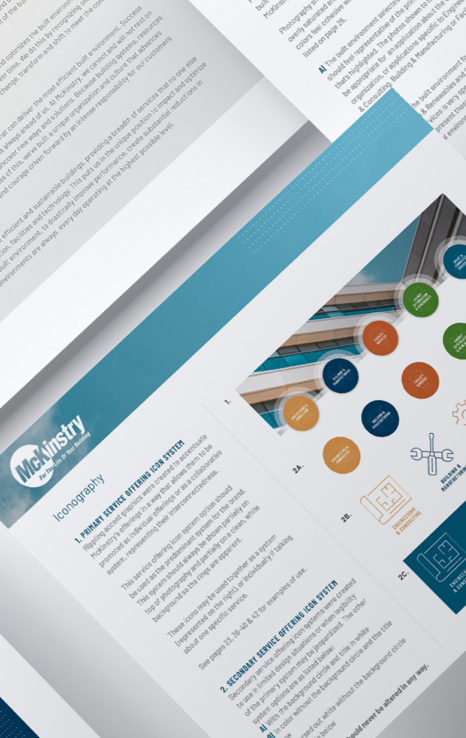
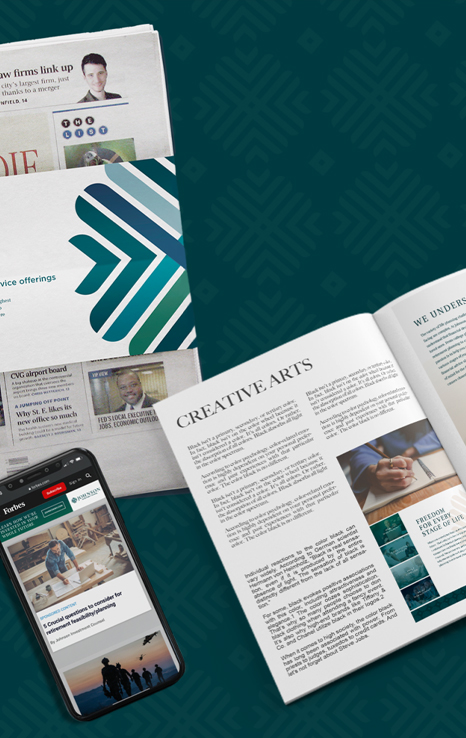
Paper stock, coatings, finishes, and structure act as nonverbal signals, shaping perception before a single word is read.
For example:
-
- Uncoated, textured stocks → authenticity, craftsmanship
- Smooth, coated papers → precision, modernity
- Soft-touch finishes → luxury, sophistication
- Heavier weights → quality and permanence
These are not just aesthetic decisions — they are strategic ones. Research shows that even the weight and firmness of packaging can influence how consumers judge quality and value.

The Role of Print Finishes
Finishing techniques add another layer of tactile differentiation.
Embossing and Debossing
Create dimension and encourage interaction, increasing engagement and recall.
Specialty Coatings
Soft-touch, satin, or gloss coatings introduce contrast and influence emotional response.
Foil and Specialty Effects
Add subtle texture and temperature variation, reinforcing premium positioning.
Together, these elements create a multi-sensory brand experience that extends beyond sight.

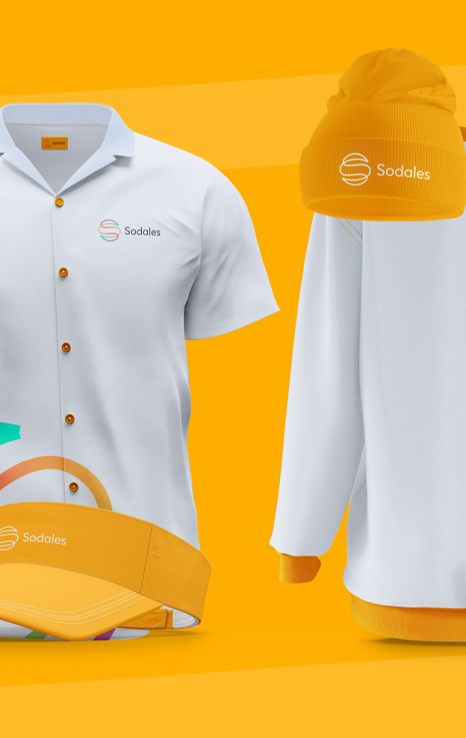
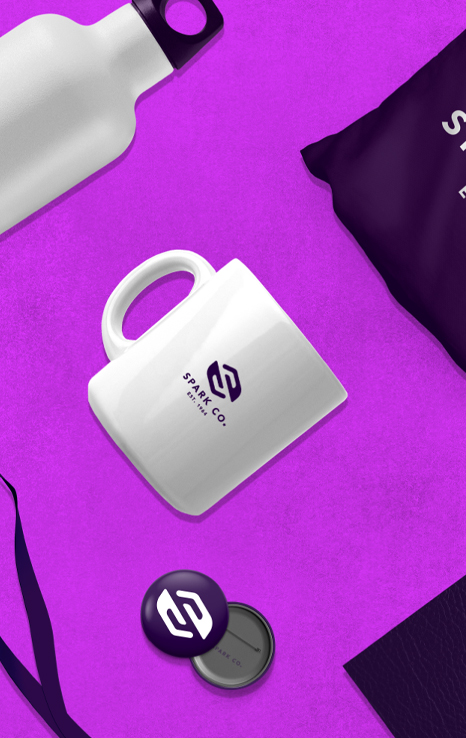
Beyond Paper: Expanding the Experience
Brands are also exploring materials beyond traditional print to create more immersive interactions.
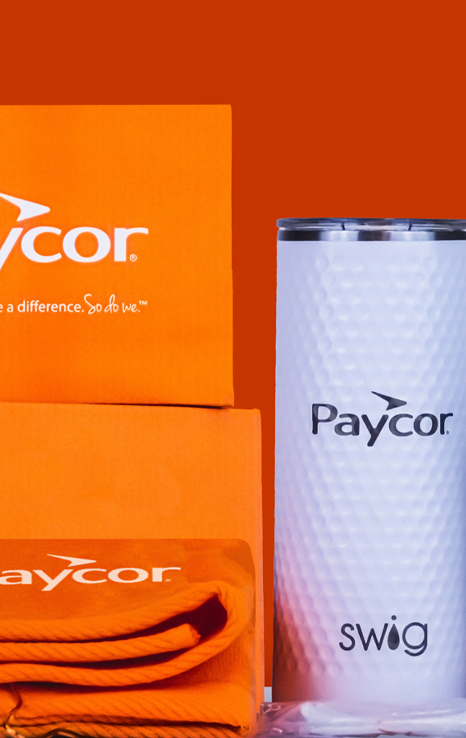
Fabric elements, layered packaging, and mixed materials introduce:
-
- texture contrast
- moments of surprise
- longer engagement time
These elements shift marketing from something people see to something they experience — and that distinction matters.

Designing for Touch
The most effective brands don’t treat texture as an afterthought — they design for it intentionally.
This means considering:
-
- Where will someone interact with this piece?
- What should it feel like in that moment?
- Does the material align with the brand?
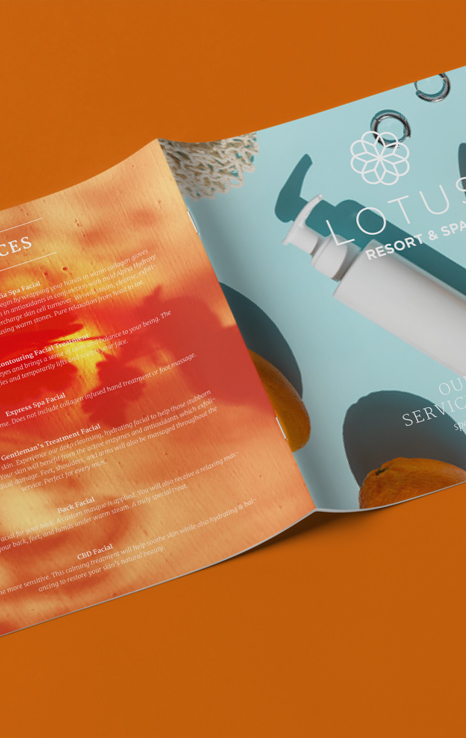
Even small decisions — like the feel of a brochure or the weight of a package — can shape perception in meaningful ways.
A More Human Brand Experience
Digital channels are essential, but they lack one critical element: physical presence.
Texture and materials reintroduce that presence. They create moments that are more intentional, more engaging, and more human.
Because people don’t just remember what they see.
They remember what they feel.
For brands looking to stand out in a crowded, digital-first landscape, material choices are no longer secondary — they’re strategic. The right combination of texture, weight, and finish can elevate perception, deepen engagement, and create a more lasting connection with your audience.
At Graphic Village, we see this play out every day — where the right materials and finishes transform a printed piece into a more meaningful brand experience.
Because people don’t just remember what they see.
They remember what they feel.
Sources:
Graphic Village. “Tactile Experiences, Stronger Brands.” Graphic Village, n.d., https://www.graphicvillage.com/tactile-experiences-stronger-brands/.
Graphic Village. “The Print Factor.” Graphic Village, n.d., https://www.graphicvillage.com/the-print-factor/.
Graphic Village. “The Power of Touch and Print.” Graphic Village, n.d., https://www.graphicvillage.com/power-of-touch-and-print/.
Graphic Village. “GV Pulse: Rediscovering the Value of Print—Engaging the Tangible in a Digital World.” Graphic Village, n.d., https://www.graphicvillage.com/gv-pulse-rediscovering-the-value-of-print-engaging-the-tangible-in-a-digital-world/.
Sappi Europe and John Brown. Reach Out and Touch: The Joy of the Physical in the Digital Age. Sappi Europe and John Brown, 2020.