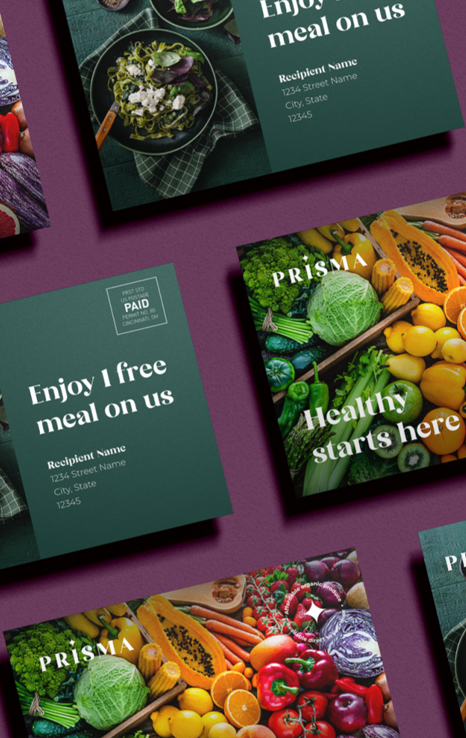
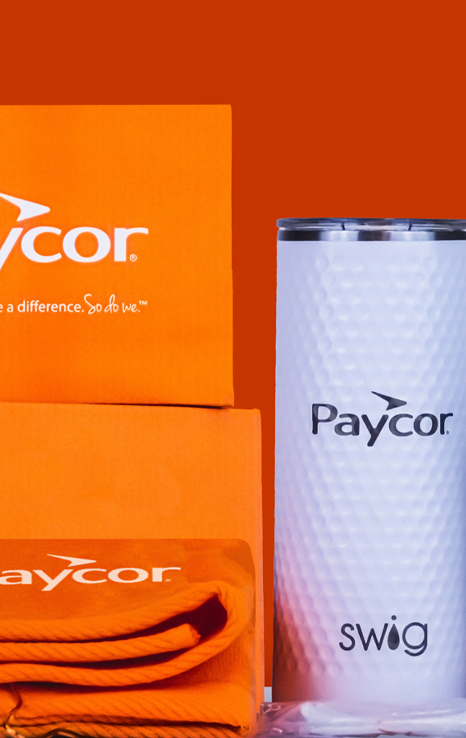
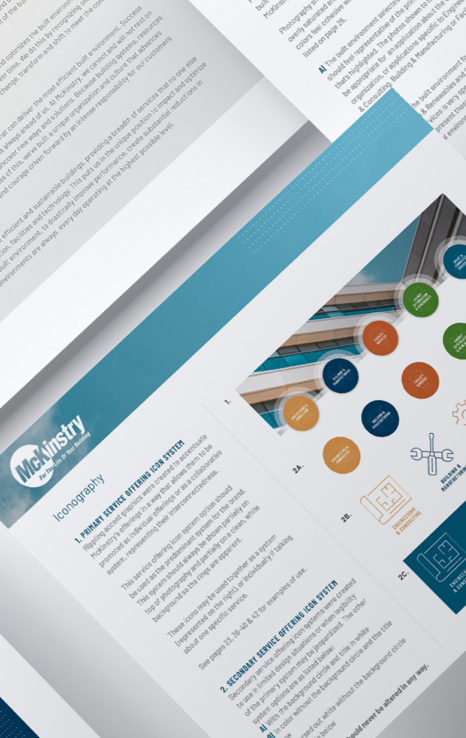
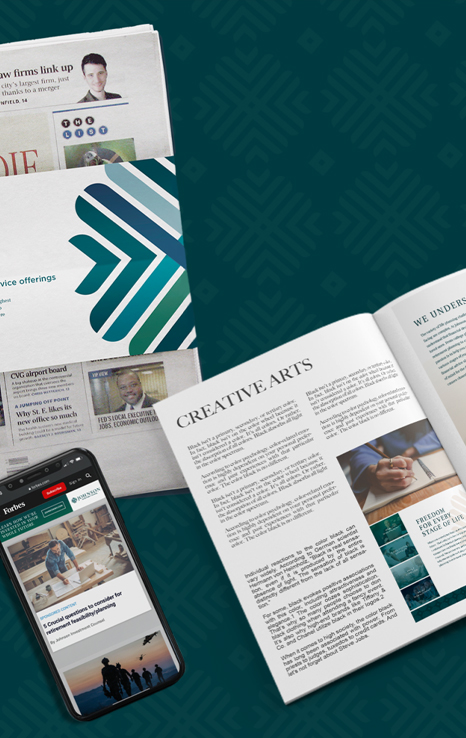
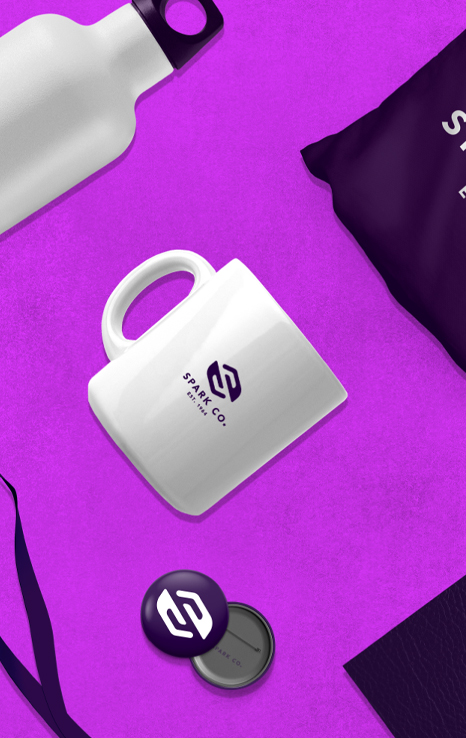
During a recent conversation with a local design and branding colleague, a key point emerged: young designers often fail to fully grasp the immense value that print applications can bring. While they excel at creating beautiful PDFs or sleek digital concepts, many overlook how the physicality of print—especially with substrates and finishing techniques like folds, varnishes, and embellishments—can significantly enhance a design and influence how the piece is perceived by the consumer.

The Tactile Difference
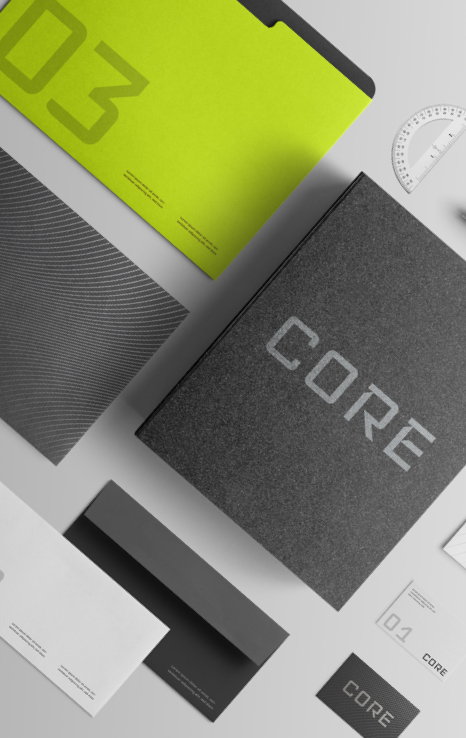
For today’s designers, the focus is often on aesthetics: the clean lines, the color palettes, and the visuals that leap off the screen. But when it comes to packaging or printed materials, the experience doesn’t end once the design file is created. Print finishing techniques—such as foil, polymer, embossing, spot varnishing, and laminating—bring a whole new dimension to a product. These techniques can transform a flat design into something interactive, tactile, and memorable.
Equally important is the substrate—the type of paper or material chosen. The right paper can elevate a design by adding texture or a premium feel, while a soft-touch coating offers a velvety experience. Specialty papers and unique finishes create standout products. Together, the substrate and finishing techniques make a piece not just visually appealing, but unforgettable.
Think about a package with a beautifully embossed logo or a product brochure with a spot varnish that catches the light. These finishing touches don’t just make a product look refined—they make it feel special. The moment a consumer touches the product, the experience becomes personal. It fosters a sense of ownership and elevates the perceived value of the product. As Professor Joann Peck from the University of Wisconsin-Madison explains, “Incorporating a tactile experience enhances perceptions of quality and customer satisfaction.” The power of touch is undeniable—it can leave a lasting impression that influences purchasing decisions.

Why Young Designers Should Care
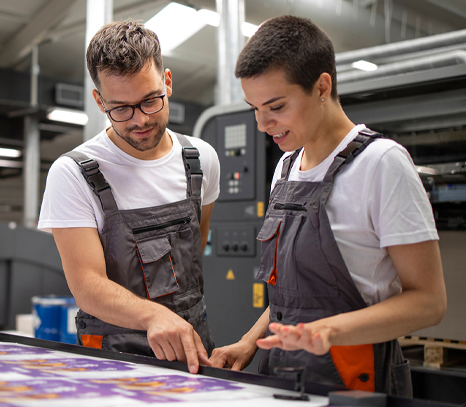
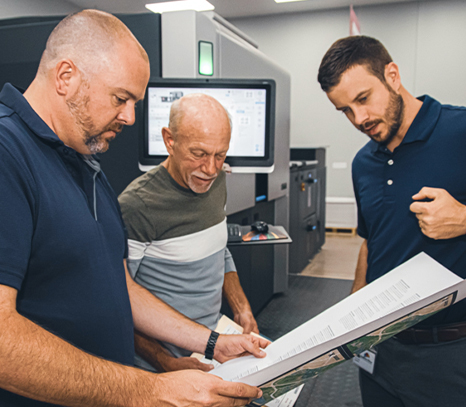
For young designers, it’s essential to think about paper and print finishing early in the design process. By considering how folds, textures, and coatings can enhance the experience, you create a more dynamic piece that resonates with consumers on a deeper level. Don’t wait until the end of the project to think about these elements. Instead, partner with your printing company early on to explore the possibilities of substrates, finishes, and other tactile elements that can elevate your design.
Understanding how these elements work together can help you create a more impactful final product. Whether it’s the feel of a soft-touch coating, the gleam of foil stamping, or the dimension added by polymer, these print finishing techniques can take your design from flat to fantastic, making your project stand out and leave a lasting impression.

Creating an Emotional Connection
Ultimately, the goal is to design pieces that are not just visually appealing, but also create an emotional connection. By incorporating tactile experiences into the development phase, you ensure that your designs go beyond the screen, engaging the senses and fostering a deeper bond between the consumer and the brand. The power of paper and print finishing isn’t just a final step—it’s a critical part of the design process that young designers can’t afford to overlook.