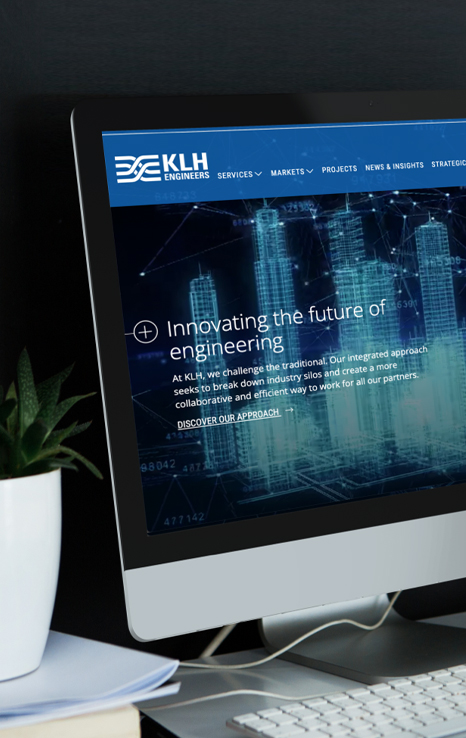
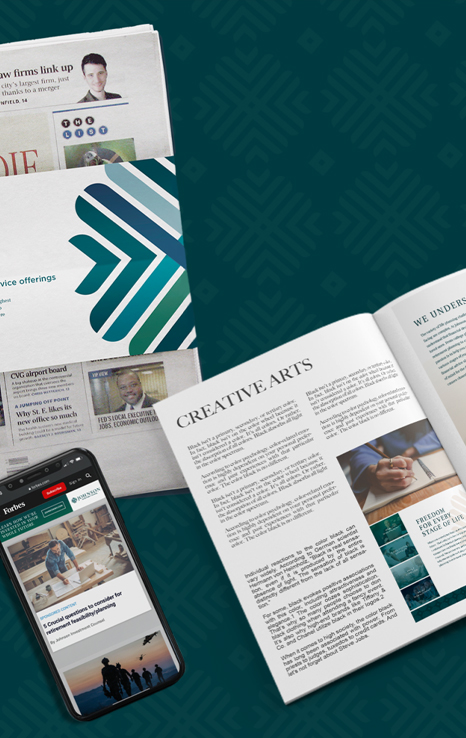
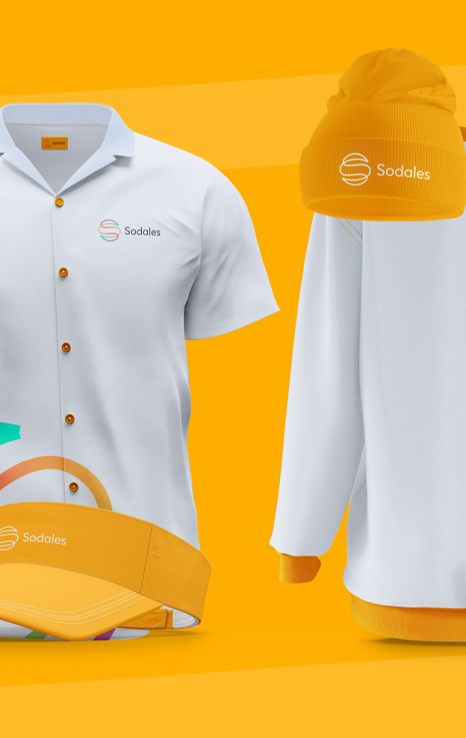
As brands move into 2026, differentiation is no longer driven by a single campaign or channel—it’s driven by the total brand experience. Leading brands are increasingly focused on orchestrating connected, multi-sensory experiences across physical, digital, and environmental touchpoints, ensuring every interaction consistently reinforces who they are and what they stand for.
This shift reflects a broader evolution in branding and marketing: success now depends on how seamlessly a brand shows up across channels—and how those moments feel to the customer.
Why Physical Experiences Are Back in Focus
After years of accelerated digital adoption, consumers are showing clear signs of screen fatigue. In response, brands are reinvesting in tangible, real-world experiences—from direct mail and retail environments to live, in-person events and trade shows—to create interactions that feel more human and more trusted. According to Boston-based digital marketing solutions firm Later, this shift is also influencing the creator economy, where 2026 is expected to see a notable rise in analog collaborations between brands and creators, including physical products, printed assets, pop-up experiences, and offline activations designed to foster deeper, more authentic connections.
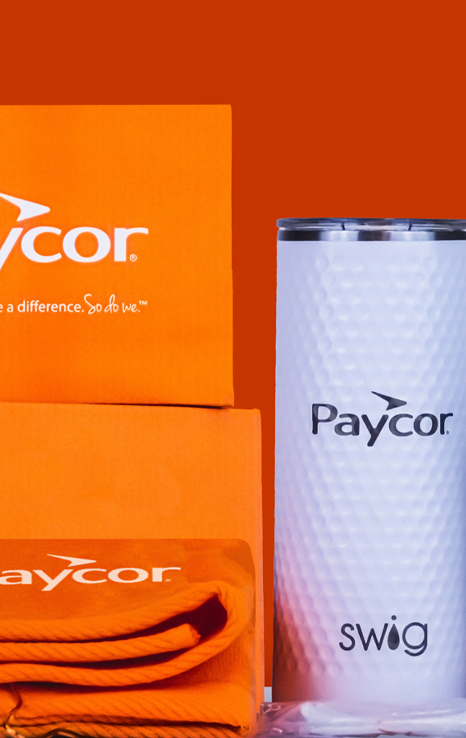
These physical interactions don’t replace digital channels. Instead, they strengthen omnichannel strategies by adding emotional depth, sensory engagement, and lasting impact—serving as a powerful counterbalance to digital saturation and reinforcing brand credibility in ways digital-only experiences often struggle to achieve.
Print’s Role in the Omnichannel Brand Experience
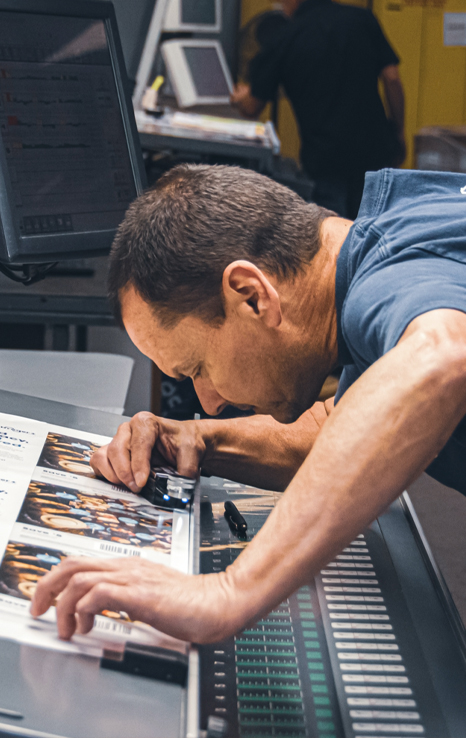
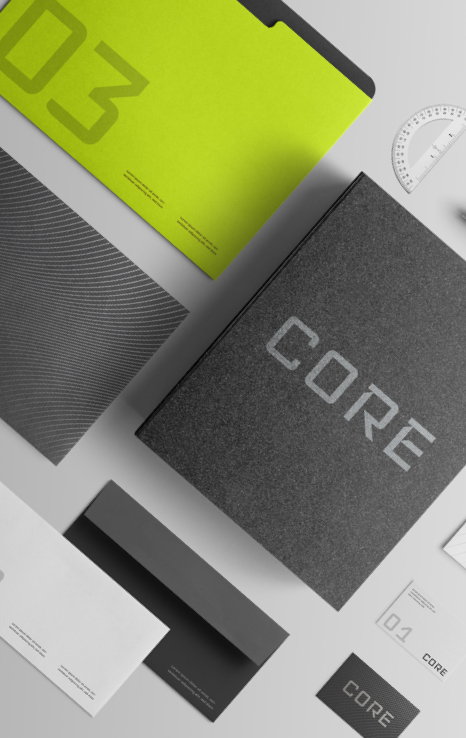
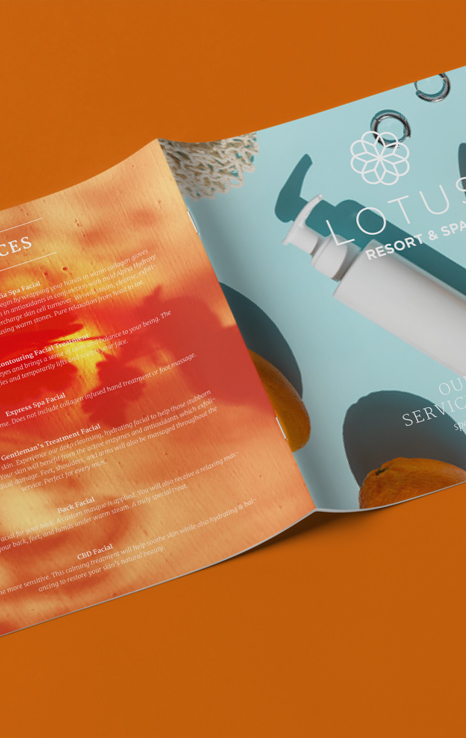
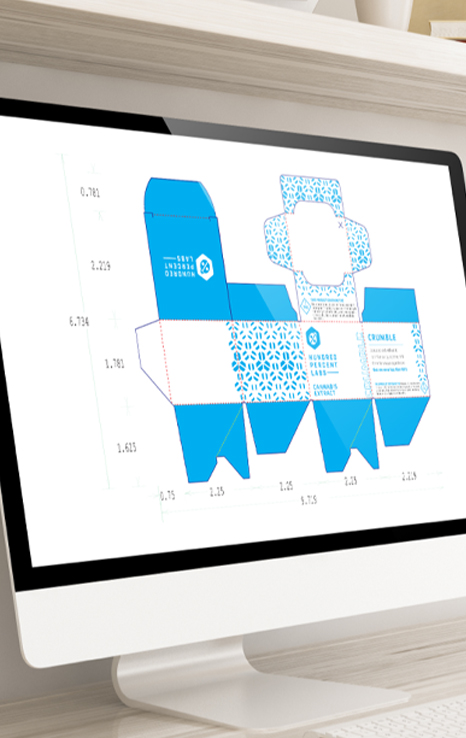
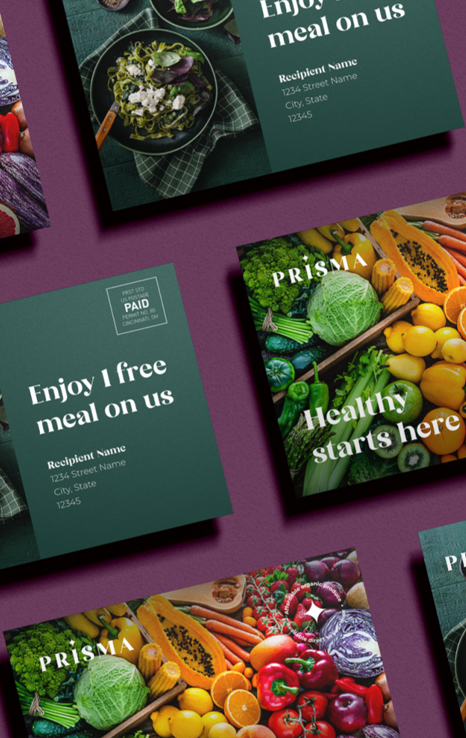
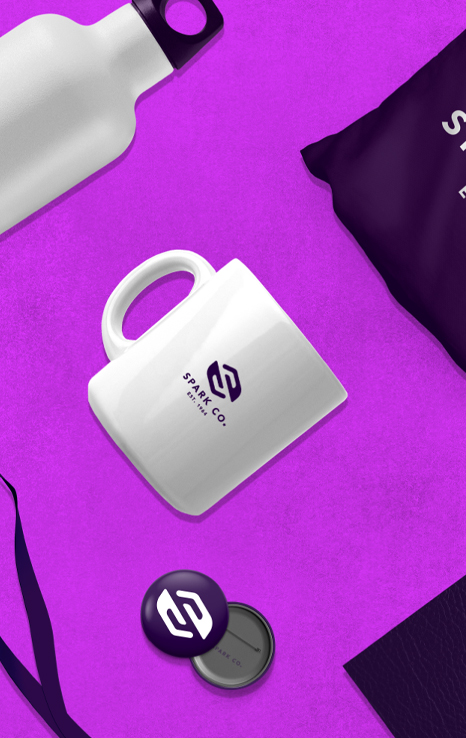
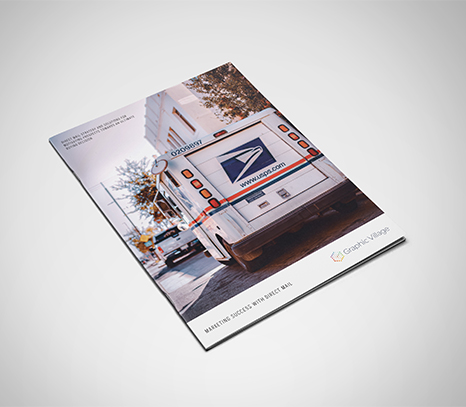
Print continues to play a strategic role in the modern omnichannel mix. When integrated with digital channels, print delivers credibility, tactile engagement, and staying power that digital alone can’t replicate. Personalized mailers, premium collateral, packaging, and large-format signage help anchor brand experiences in the physical world—while seamlessly connecting audiences back to digital platforms through tools like QR codes and personalized URLs.
In an increasingly crowded media landscape, print helps brands cut through noise, reinforce trust, and create meaningful moments of connection.
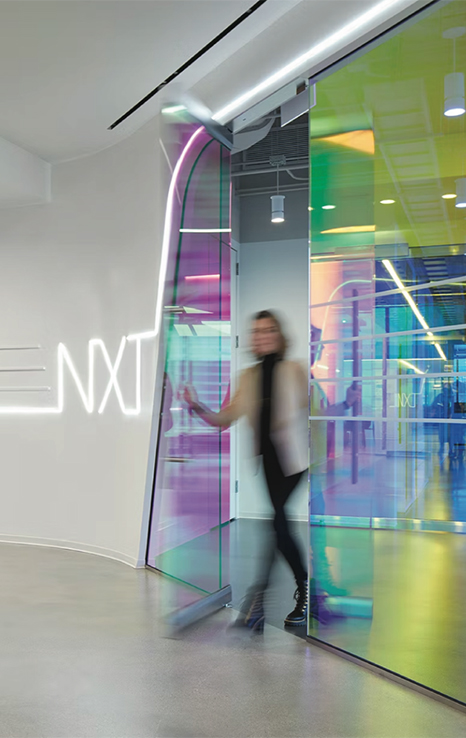
Consistency from Mailbox to Trade Show Floor
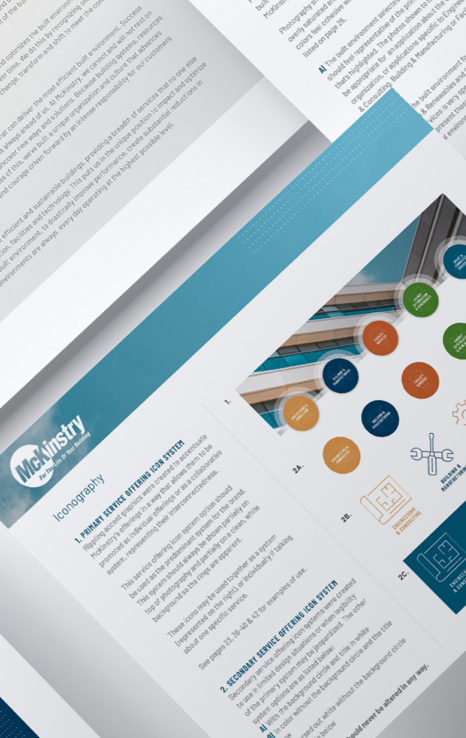
As brand touchpoints multiply, consistency becomes mission-critical. Customers expect the same look, feel, and message whether they encounter a brand online, in their mailbox, at a retail location, or on a trade show floor. When physical and digital assets are aligned, brands build trust faster, reduce friction, and deliver experiences that feel intentional rather than fragmented.
Consistency isn’t just a design consideration—it’s a brand imperative.
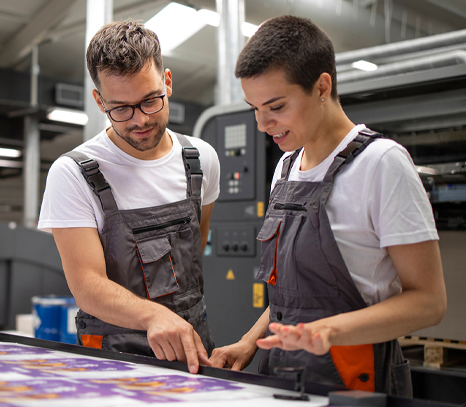
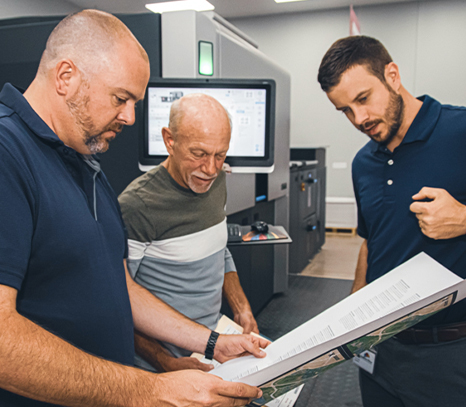
As brand ecosystems become more complex, execution is increasingly where differentiation is won or lost. Aligning strategy, creative, and production across physical and digital touchpoints requires precision, coordination, and partners who understand how each element contributes to the overall experience. In 2026, consistency at scale isn’t just a creative challenge—it’s an operational one.
The Takeaway
In the coming year, brands that excel will be those that:
-
- Orchestrate experiences across channels rather than relying on isolated campaigns
- Balance digital convenience with meaningful physical moments that capture attention and foster emotional connection
- Use print and physical assets purposefully to reinforce digital touchpoints and leave lasting impressions
- Maintain consistency in identity and messaging from the mailbox to the trade show floor to the retail environment
The Brand Experience Economy isn’t about producing more content—it’s about creating integrated, intentional brand experiences that meet audiences where they are, engage multiple senses, and build deeper brand affinity. The brands that get this right in 2026 won’t just win attention—they’ll earn trust, loyalty, and long-term value.
Sources:
Later. “Twenty 2026 Creator Economy Predictions.” Later, 6 Jan. 2026, later.com/blog/twenty-2026-creator-economy-predictions/#10-rise-of-analog-creator-brand-collabs.
Lippincott. “12 Trends Set to Define 2026.” Lippincott, 2024, www.lippincott.com/ideas/12-trends-set-to-define-2026/.
MarTech. “Consumers Want Less Digital, More Real-World from Brands in 2026.” MarTech, 2024, martech.org/consumers-want-less-digital-more-real-world-from-brands-in-2026/.
The ODM Group. “2026 Marketing Trends.” The ODM Group, 2024, www.theodmgroup.com/2026-marketing-trends/.
TruArt Color Graphics. “The Role of Print in Omnichannel Marketing Strategies.” TruArt Color Graphics Blog, 1 May 2025, truartcolorgraphics.com/blog/2025/05/01/the-role-of-print-in-omnichannel-marketing-strategies/.
Visual Best. “Why Brand Consistency Matters Across Digital and Print Media.” Visual Best, 2024, www.visualbest.co/blogs/why-brand-consistency-matters-across-digital-and-print-media/.